
Cannabis and DMT: Exploring the Synergies
The worlds of cannabis and N,N-Dimethyltryptamine (DMT) represent two distinct frontiers of psychoactive exploration. While cannabis is known for its calming and euphoric effects, DMT is famous for inducing profound, short-lived psychedelic experiences. As interest in psychedelics grows, many researchers and psychonauts are exploring how these substances interact. This article explores the potential synergies, effects, and emerging insights surrounding the combined use of cannabis and DMT.
We will examine the individual properties of each substance before diving into what happens when they are used together. By understanding their distinct mechanisms, we can better appreciate the complex interactions that may occur. This guide aims to provide a clear, informative overview based on anecdotal reports and the limited scientific research available.
Understanding Cannabis
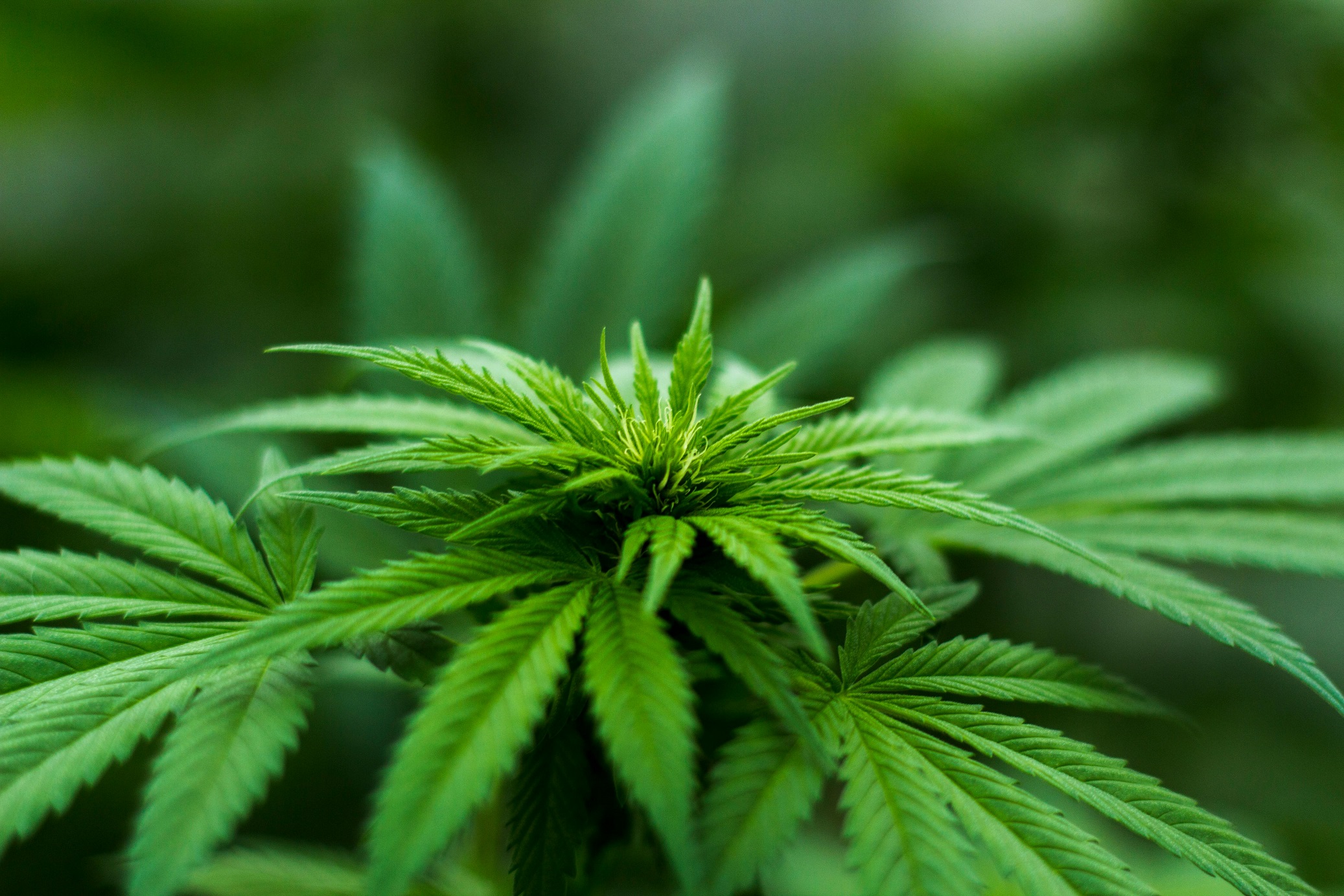
Cannabis contains hundreds of compounds, but the most well-known are cannabinoids like THC (tetrahydrocannabinol) and CBD (cannabidiol). THC is the primary psychoactive component, responsible for the “high” associated with marijuana. It interacts with the body’s endocannabinoid system, influencing mood, perception, appetite, and memory.
The Effects of Cannabis
The effects of cannabis can vary widely depending on the strain, dosage, and individual user’s biology. Common effects include:
- Euphoria and Relaxation: A sense of well-being and calm is a primary reason people use cannabis.
- Altered Sensory Perception: Colors may seem brighter, sounds more distinct, and time may feel like it’s slowing down.
- Increased Appetite: Often referred to as “the munchies.”
- Anxiety or Paranoia: In some individuals or with high doses, cannabis can induce feelings of unease or fear.
Modern cannabis comes in various forms, from high-THC flower to CBD-dominant oils and edibles. Each form offers a different experience, with varying onset times and durations.
An Introduction to DMT
N,N-Dimethyltryptamine, or DMT, is a powerful psychedelic compound found in numerous plants and animals, and it is even produced endogenously in the human brain in small amounts. Often called “The Spirit Molecule,” DMT is known for its ability to produce intense, short-acting psychedelic experiences.
The DMT Experience
When vaporized or injected, DMT’s effects are almost instantaneous, peaking within minutes and subsiding within 20 to 30 minutes. Users often report:
- Visual and Auditory Hallucinations: Complex geometric patterns, vibrant colors, and encounters with entities or beings are common.
- Ego Dissolution: A complete loss of one’s sense of self and a feeling of unity with the universe.
- Profound Insights: Many users describe gaining deep personal or spiritual revelations during their experience.
- Distortion of Time and Space: A few minutes in real-time can feel like an eternity.
DMT is a key ingredient in the Amazonian brew ayahuasca, where it is combined with a MAOI (monoamine oxidase inhibitor) to make it orally active and prolong the experience for several hours.
The Synergy: Combining Cannabis and DMT
When two psychoactive substances are used together, their effects can combine in unpredictable ways. The term for this is synergy, where the combined effect is greater than the sum of its parts. Anecdotal reports from users who combine cannabis and DMT suggest a range of outcomes, often dependent on timing and dosage.
Using Cannabis Before a DMT Experience
Many users report smoking or ingesting cannabis before a DMT session to ease pre-flight anxiety. The calming effects of cannabis can help an individual relax and enter the DMT experience with a more open and less fearful mindset. This preparation may lead to a smoother and more positive journey.
- Reduced Anxiety: Cannabis can act as an anxiolytic, helping to calm the nerves that often precede a powerful psychedelic experience.
- Gentler Onset: Some users feel that cannabis softens the typically abrupt and intense launch into the DMT space, making the transition feel less jarring.
- Enhanced Visuals: Reports suggest that cannabis can amplify the visual aspects of the DMT trip, making patterns more intricate and colors more vivid.
However, for some, cannabis can increase anxiety or lead to mental confusion. If an individual is prone to paranoia from THC, combining it with DMT could potentially lead to a more challenging or frightening experience.
Using Cannabis During or After a DMT Experience
Using cannabis during the “comedown” phase of a DMT trip is another common practice. As the intense peak of the DMT experience fades, some users find that cannabis can help them re-engage with the visions and prolong the residual effects.
- Extending the Afterglow: Cannabis may help extend the sense of peace and insight that often follows a DMT trip.
- Revisiting the Space: Some users report that smoking cannabis shortly after the peak allows them to “re-enter” the DMT space, albeit with less intensity. It can act as a bridge, helping to recall and integrate the insights from the journey.
- Grounding Effect: For others, cannabis helps ground them back in their body and reality after a disorienting experience, providing a familiar feeling to latch onto.
Potential Benefits and Risks
The combination of cannabis and DMT is largely uncharted territory in a scientific sense. Most of what we know comes from self-reported experiences shared on forums and online communities.
Potential Benefits
The primary reported benefit is psychological and spiritual. The synergy may allow for a deeper, more manageable psychedelic experience. By reducing anxiety, cannabis might enable users to surrender more fully to the DMT journey, potentially leading to more profound and healing insights. The combination could make the experience feel more organic and less overwhelming for some.
Risks and Considerations
Despite the potential for synergy, there are significant risks to consider.
- Psychological Distress: Both substances can induce anxiety on their own. Combining them could amplify this effect, potentially leading to a “bad trip” characterized by fear, paranoia, and confusion.
- Unpredictable Intensity: The interaction is not always predictable. What works for one person may not work for another. The potency and strain of the cannabis, along with the dosage of DMT, all play critical roles.
- Lack of Research: There is no clinical research on the safety or long-term effects of combining these two substances. All use is experimental and carries the inherent risks of using powerful psychoactive compounds without medical supervision.
A Harm Reduction Approach
If an individual chooses to explore this combination, a harm reduction mindset is essential. This includes starting with very low doses of both substances to gauge their interaction. The setting is also crucial; a safe, comfortable, and familiar environment is paramount. Having a sober and trusted trip-sitter present can provide support and assistance if the experience becomes overwhelming.
Understanding one’s own mental state is perhaps the most important factor. Individuals with a personal or family history of psychosis or other serious mental health conditions should avoid psychedelics altogether, as they can exacerbate these conditions.
The Future of Psychedelic Research
As the “psychedelic renaissance” continues, researchers are beginning to study substances like DMT for their therapeutic potential in treating conditions like depression, anxiety, and addiction. While research currently focuses on these substances in isolation, future studies may explore synergistic effects. Understanding how a widely used substance like cannabis interacts with powerful psychedelics will be an important area of study to ensure safety and maximize therapeutic outcomes.
For now, the combination of cannabis and DMT remains a personal and subjective exploration. It highlights a desire to navigate the psychedelic landscape with more intention and comfort. As our understanding of these powerful molecules grows, so too will our ability to use them wisely and safely for personal growth and healing.